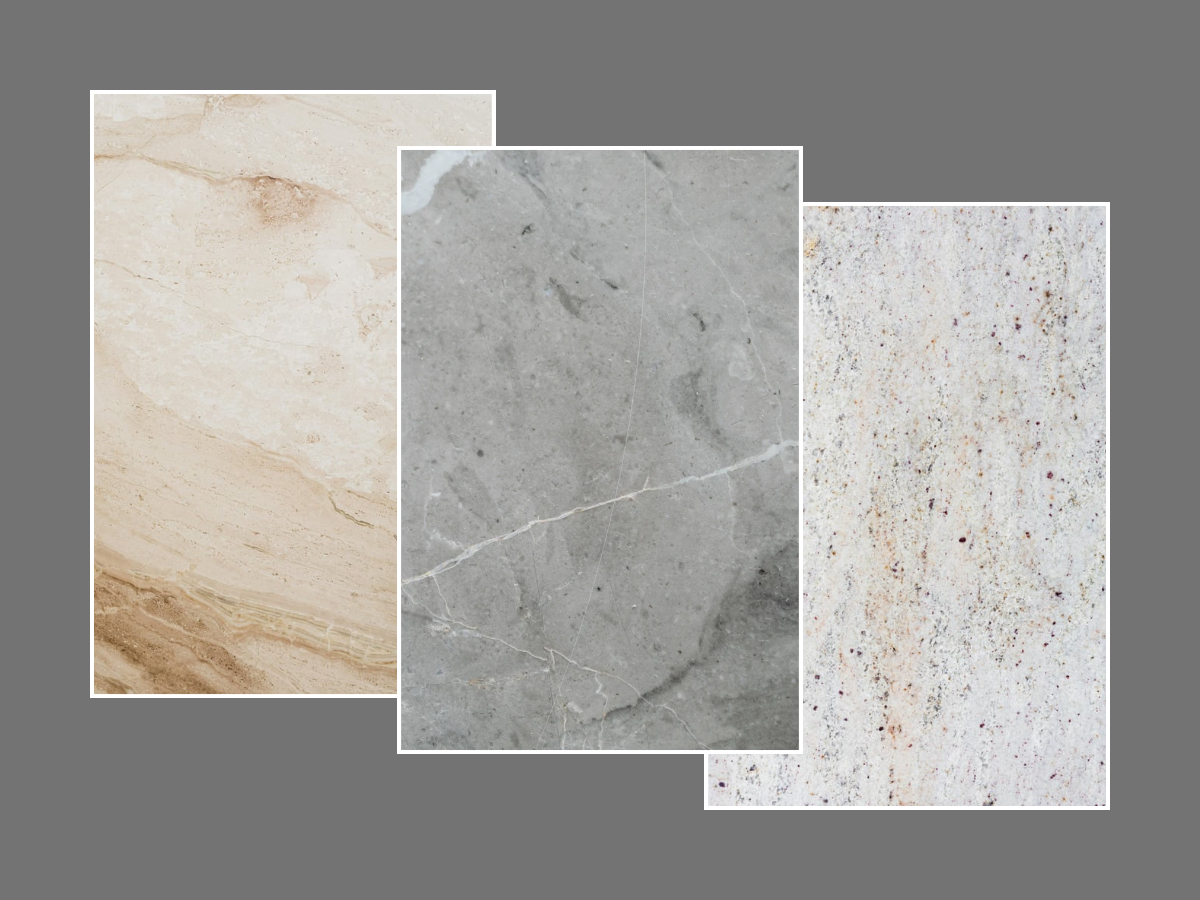
Marble Kitchen Counters: When They're Right and Wrong
Marble has been the most aspirational kitchen counter material for over a century. The natural veining, the cool surface, the historic association with serious cooking — marble carries cultural weight that no engineered stone has matched.
It's also the kitchen counter material that produces the most homeowner regret. Search forums for "regret marble countertop" and you'll find hundreds of posts from homeowners who specified it without understanding what they were committing to, then discovered the maintenance reality after a few months of normal use.
The truth is that marble is neither universally good nor universally bad as a kitchen counter. It's situationally right and situationally wrong. The question worth answering before specifying it: which one applies to your kitchen?
What Marble Actually Does
Marble is a metamorphic stone — limestone transformed by heat and pressure over geological time. The transformation produces the dense, crystalline structure and the natural veining that gives marble its appeal.
The properties that make marble distinctive:
Beauty: Unmatched by any other counter material. The veining of statuary marble, calacatta, carrara, or any of the dozens of varieties is the aesthetic standard against which other materials are compared.
Hardness: Mohs 3-4. Soft compared to granite (Mohs 6-7), quartz (Mohs 7), or quartzite (Mohs 7+). Knives leave marks. Heavy objects dropped on marble can chip it.
Porosity: Significant. Marble absorbs liquids unless properly sealed, and even sealed marble can absorb some staining over time.
Acid sensitivity: Marble reacts with acids. Lemon juice, vinegar, tomato sauce, wine, and acidic cleaners all etch marble's polished surface, leaving permanent dull spots [1].
Temperature sensitivity: Heat resistant in most applications (marble can handle hot pans), but thermal shock from very hot items on a cold surface can cause cracking in rare cases.
Maintenance requirement: Sealing required every 3-6 months for active kitchen counters. More frequent sealing in heavy-use areas.
These properties produce a counter that's visually stunning and functionally demanding. Neither characteristic is "wrong" — they just need to be understood before purchase.
The Etching Reality
The single most important thing to understand about marble in a kitchen is etching.
Etching is a permanent chemical reaction between acid and marble. The calcium carbonate in marble reacts with the acid, producing a small, matte spot on what was previously a polished surface. The damage is permanent without professional refinishing.
What causes etching:
- Lemon juice (a single drop, left for a few minutes)
- Vinegar
- Tomato sauce and tomato juice
- Wine (especially red wine)
- Coffee (acidic varieties)
- Citrus fruits placed directly on the surface
- Many cleaning products (acidic cleaners, some all-purpose cleaners)
- Soda and acidic beverages
For a kitchen counter, this list represents normal daily use. Sealing doesn't prevent etching — sealer protects against staining, but the chemical reaction between acid and stone occurs at the molecular level and isn't prevented by surface sealers.
A homeowner cooking normally in a marble kitchen will produce etched spots within weeks of installation. By six months, the polished surface around the cooking and prep areas will have visible matte patterns. By two years, the marble will look meaningfully different from how it looked on installation day.
This is not damage in the sense of failure. The marble is still functional. It's character — the marble develops a patina that reflects how it's been used. But it's not the perpetually-new appearance some homeowners expect.
Honed vs. Polished Finish
One of the most important specifications for marble in a kitchen.
Polished marble has a high-gloss, mirror-like surface. Etching on polished marble is dramatically visible — every dull spot stands out against the surrounding gloss. The contrast between polished and etched areas is what makes marble damage look bad.
Honed marble has a matte, soft-glow finish. Etching on honed marble is much less visible — the matte spots blend into the matte surface. The marble still etches; it just looks essentially the same after etching as it did before.
For kitchen applications, honed marble is almost universally the right specification over polished. The aesthetic is softer and more contemporary, the etching is masked, and the maintenance burden of perpetual concern about damage is greatly reduced.
Polished marble is appropriate for low-use applications (decorative islands, bathrooms used sparingly) or for homeowners who specifically want the polished aesthetic and accept significant maintenance. For working kitchen counters, honed is the practical choice.
When Marble Is the Right Choice
Marble works in kitchens with specific characteristics:
Households that bake seriously. Marble's cool surface is functionally valuable for working with pastry dough, chocolate, and other temperature-sensitive ingredients. The natural cool temperature of stone (typically 60-65°F at room temperature) keeps butter and dough cool during work. Serious bakers specifically value marble for this property.
Households that accept patina. Homeowners who view a kitchen counter as something that should age and develop character — like a copper pot, a wooden cutting board, or a cast-iron skillet — get along well with marble. The etches and minor stains become part of the kitchen's history rather than damage to be lamented.
Lower-use kitchens. A second kitchen, a butler's pantry, or a kitchen in a home used part-time (vacation home, retirement home with light cooking) sees less acid exposure and less etching. Marble in these applications stays closer to its original appearance for longer.
Specific aesthetic contexts. Historic homes, classical or traditional design, certain Mediterranean and European aesthetic directions specifically benefit from real marble. Engineered alternatives that imitate marble visually can read as compromise in these contexts.
Homeowners who genuinely understand what they're committing to. Not aspirationally understand — actually understand, having watched marble in real kitchens and decided they want it anyway.
When Marble Is the Wrong Choice
Marble produces regret in kitchens with different characteristics:
Households with young children. Spills happen continuously. Lemon juice on cucumbers, ketchup on the counter, juice boxes, all the chemistry of family kitchen life produces etching faster than anywhere else.
Households that prioritize appearance over patina. Homeowners who want the counter to look new in five years as it looked on installation day will not get that from marble. The expectation gap produces ongoing dissatisfaction.
High-traffic, serious-cook kitchens with frequent entertaining. Wine spills, hot pans set carelessly, citrus during cocktail prep, all the acid exposure of an actively used kitchen produces visible degradation quickly.
Households unwilling to perform sealing maintenance. Marble requires real maintenance. Sealing every 3-6 months is a 20-minute commitment that has to actually happen. Households that won't seal regularly will see worse staining than properly maintained marble.
Resale-focused renovations. Marble's patina is appealing to some buyers and off-putting to others. A polished marble kitchen with visible etching reads as damaged to many buyers, even though the damage is just normal use. For homes being prepared for sale, marble's resale appeal is uncertain.
The Alternative Materials
For homeowners attracted to marble's aesthetic but not its maintenance, several alternatives produce similar visual results with better durability:
Quartz with marble-veined patterns. Modern manufacturing produces quartz patterns that convincingly replicate calacatta, statuary, and other marble varieties. The veining is part of the engineered material rather than natural, so it's consistent across slabs. Non-porous, no sealing, no etching. Looks indistinguishable from real marble at normal viewing distance.
Quartzite. Natural stone with similar appearance to marble in many varieties. Much harder than marble (Mohs 7+). Sealable but more durable. Still requires periodic sealing.
Honed marble in low-use locations combined with quartz or quartzite in high-use locations. A common hybrid: marble on the island (lower acid exposure, lower wear), engineered stone on the working perimeter counters (higher use, more demanding).
These alternatives address the practical limitations of marble while preserving most of the visual appeal. For homeowners who like marble's appearance but don't want its maintenance burden, they're often the right answer.
How to Decide
A practical framework for the marble decision:
Honestly evaluate household cooking patterns. Not aspirational patterns — actual patterns. What gets spilled? What gets prepped? How often does wine get poured? How often does lemon juice touch a counter?
Honestly evaluate tolerance for patina. Look at photos of real marble kitchens 5-10 years after installation. Read homeowner reports honestly. Decide whether the aged appearance is appealing or distressing.
Honestly evaluate maintenance willingness. Will sealing every 3-6 months actually happen? Will spills get wiped up immediately? Will acidic ingredients be kept off the marble surface?
If yes to all three: Marble may be the right choice. Specify honed finish to soften etching visibility.
If no to any: Engineered alternatives produce the appearance with much better daily performance. Quartz with marble-like veining is probably the right answer.
The Bottom Line
Marble in kitchens is one of the few material choices where the decision has more to do with the household than with the material. Both "marble is great" and "marble is terrible" are right answers depending on context.
The homeowners happiest with marble are the ones who chose it understanding exactly what they were getting and accepting it. The homeowners unhappiest with marble are the ones who chose it for the aesthetic without understanding the trade-offs and then discovered the reality after installation.
For homeowners genuinely uncertain, the safer choice is almost always an engineered alternative. Marble is the right specification when the homeowner specifically wants real marble and accepts what comes with it. Marble is the wrong specification when it's chosen by default because it's traditional or aspirational.
The cost of choosing marble incorrectly is higher than the cost of choosing it correctly. The visual appeal that drove the decision becomes daily disappointment as the patina develops. Better to specify the material that actually matches the household's needs — even if that's a quartz with marble-like veining rather than the real thing.
For the full discussion of kitchen countertop materials, including quartz, quartzite, granite, butcher block, soapstone, and stainless steel, see the material selection pillar guide.
Sources:
[1] Use Natural Stone — Marble in Kitchens: A Practical Guide — https://usenaturalstone.org/marble-kitchens/
Related Posts
Soft-Close Hinges and Full-Extension Slides: Hardware That Lasts
Soft-close hinges, full-extension slides and the weight ratings behind them — the specifications that decide how a Columbus kitchen behaves in year ten.
Plywood vs Particleboard vs MDF: Why the Cabinet Box Matters
When most homeowners think about cabinets, they think about the doors — the visible faces, the style, the color, the finish. The doors get most of the attention because they're what shows.
Inside Your Cabinets: 12 Interior Specs Worth Adding Up Front
Cabinet boxes are containers. What's inside them determines how usable the kitchen actually is. A kitchen with beautiful cabinetry and no interior organization produces piles on the counter, cookwa...